

Scalp and Hairline Scars. Can They Be Improved?

Scalp and Hairline Scars. Can They Be Improved?
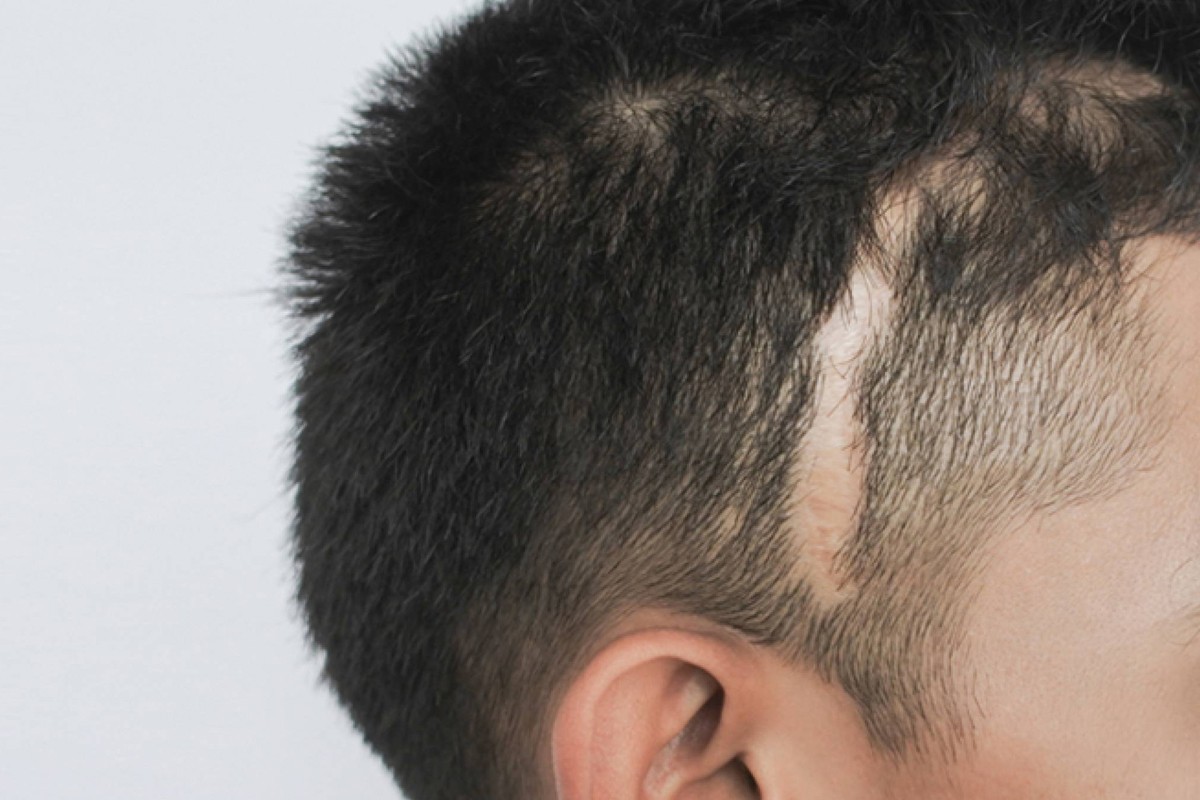
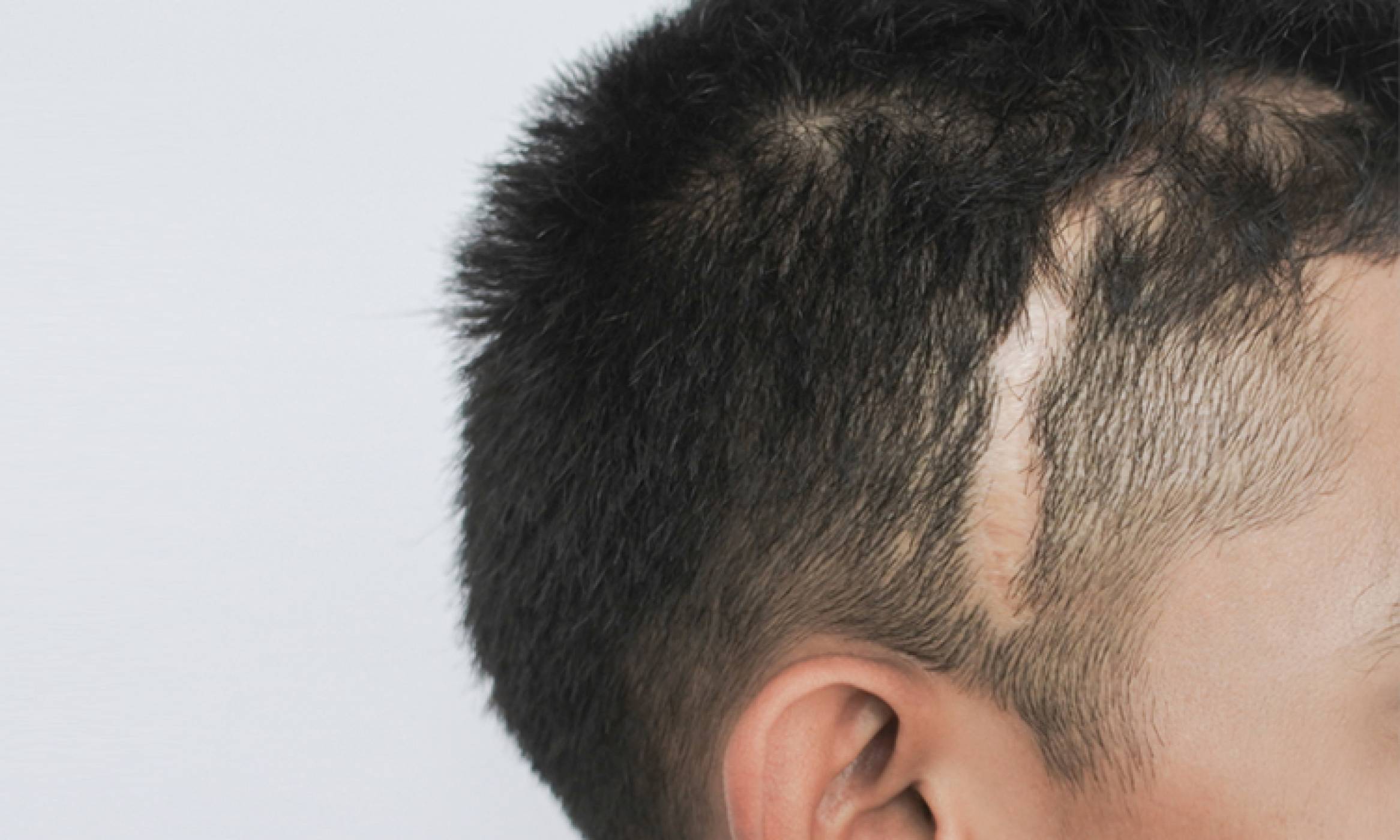
Scalp and hairline scars are more common than many people realize. They can develop after hair transplant procedures, injuries, surgeries, or certain scalp conditions, and may appear raised, widened, uneven, or lack hair growth.
Because scar tissue behaves differently from normal scalp skin, these areas don’t always respond the same way as surrounding hair-bearing tissue. This often leads to questions about whether their appearance can be improved and what realistic outcomes may look like.
This page explores what causes scalp and hairline scars, how they change over time, and what factors determine whether improvement is possible.
Scars on the scalp may develop for a variety of reasons, including:
• Prior hair transplant donor sites, particularly strip FUT procedures
• Surgical procedures such as cyst excision or dermatologic surgery
• Accidental injuries or trauma to the scalp
• Inflammatory or medical conditions that affect scalp healing
The appearance and behavior of a scar often depend on its depth, location, and the body's healing response.
Scars heal differently from person to person. While many scars flatten and soften over time, others may remain thick, raised, or widened. Some scars form without hair follicles, leaving permanently hairless areas. Certain scars, such as hypertrophic scars or keloids, may heal more aggressively.
Because the scalp has unique blood supply and skin tension patterns, scar healing in this area requires special consideration. This is why a specialist evaluation matters rather than a general assessment.
In most cases, hair does not regrow naturally through scar tissue because hair follicles are typically absent in scarred areas. The skin may heal completely on the surface while the follicles underneath remain permanently damaged or absent.
That said, treatment options exist that may help improve the appearance of scalp scars and in some cases restore hair growth depending on scar type, blood supply, and scalp health. Whether improvement is possible for your specific scar requires a professional evaluation.
In many cases, yes. The appearance of scalp scars can often be improved depending on factors such as scar type, scalp health, blood supply, and surrounding hair density. Improvement may involve non-surgical treatments, regenerative approaches, or surgical techniques in select cases.
The most appropriate option varies from patient to patient and requires professional evaluation. Not every scar is a candidate for every treatment, and an honest assessment is the most important first step.
To explore treatment options for scalp scar revision, including candidacy and expected results, explore Scar Revision Treatment options.
You may want to explore scar revision if a scalp or hairline scar is:
• Noticeable through short or thinning hair
• Depressed, raised, or uneven in texture
• Hairless and difficult to camouflage
• Affecting confidence or hairstyle choices
• Something you have been told cannot be improved but are not fully sure
A thorough consultation helps determine what improvement is realistic and which approaches may be appropriate for your specific situation.
Are scalp scars common after surgery or hair transplants?
Yes. Scalp scars can occur after procedures such as cyst removal, dermatologic surgery, or previous hair transplant techniques. The appearance of a scar depends on healing patterns, scalp tension, and individual skin response.
Can hair grow through scar tissue naturally?
In most cases, hair does not regrow naturally through scar tissue because hair follicles are typically absent. However, treatment options may help improve appearance depending on the scar.
Do all scalp scars require surgical treatment?
No. Some scars may be managed or improved using non-surgical or regenerative approaches, while others may benefit from surgical techniques. Professional evaluation helps determine what is appropriate.
Are all scars candidates for hair transplantation?
Not necessarily. Scar characteristics such as thickness, blood supply, and location influence candidacy. A consultation is required to assess feasibility.
How long does scar revision take and what is recovery like?
This depends on the treatment approach. Non-surgical options typically involve minimal downtime. Surgical revision follows a timeline similar to standard hair transplant recovery, with most patients returning to normal activity within a few days. Your consultation will include a clear explanation of what to expect for your specific case.
Ready to understand your options?
Your consultation with Dr. Charkawi is private, pressure-free, and designed to give you an honest picture of what improvement is realistic for your specific scar. Book your free consultation today.
Long Post Alert...but worth the read! - A few months ago, I decided to consider a hairline transplant in Atlanta. After doing some research, I became interested in the FUT process. I was still determining where to begin, so I initially went to what I had seen for years on TV, Bosley. The consultation was excellent, but I felt too many people between me and the surgeon performing the procedure. I wanted that direct interaction to ensure I got what I wanted in my design. I went to a second, Dr. P, but it wasn’t the right fit for me, then I was referred to Dr. Zack Charkawi. From the moment I sat down with him at his desk, I knew he was the one. CONTINUE READING REVIEW
As a healthcare provider, I am very particular who I choose for my own healthcare needs. I completed my 4th hair restoration procedure with Dr. Zach, and I am extremely pleased with the outcome. Dr. Zach's professionalism was evident at my initial consultation, where he spent time discussing the procedure, pertinent research, and most importantly the realist expectations; he did not "over sell" the procedure. He also is the only practitioner that I am aware of who uses a specific anesthesia technique that dramatically decreased the procedural discomfort. He was very thorough during the procedure, covering all of the necessary areas. I highly recommend him and his staff without reservations!
My husband had a fantastic experience with Dr.Zack! It took him a while to find the best doctor for hair transplant. He had many consultations before choosing his clinic. The polish and professionalism of Dr. Zack and his team is excellent! My husband was very happy with the results of the procedure. We could never have asked for a better experience! I will be highly recommending him to my friends!
Dr Charkawi was fantastic. He really made me feel at ease and went above and beyond to make sure that I was happy with my hair. Also it’s a beautiful, clean office with a sister location for follow ups or further needs which is very helpful. Overall very satisfied customer.
Long Post Alert...but worth the read! - A few months ago, I decided to consider a hairline transplant in Atlanta. After doing some research, I became interested in the FUT process. I was still determining where to begin, so I initially went to what I had seen for years on TV, Bosley. The consultation was excellent, but I felt too many people between me and the surgeon performing the procedure. I wanted that direct interaction to ensure I got what I wanted in my design. I went to a second, Dr. P, but it wasn’t the right fit for me, then I was referred to Dr. Zack Charkawi. From the moment I sat down with him at his desk, I knew he was the one. CONTINUE READING REVIEW
* By submitting this form, I authorize Springs Hair Restoration to contact me by phone or text utilizing automated dialing equipment, as well as by email with information about appointments, products, services, news or promotions. I also agree to Springs Hair Restoration’s Privacy Policy.



 Free Transplant Consult