



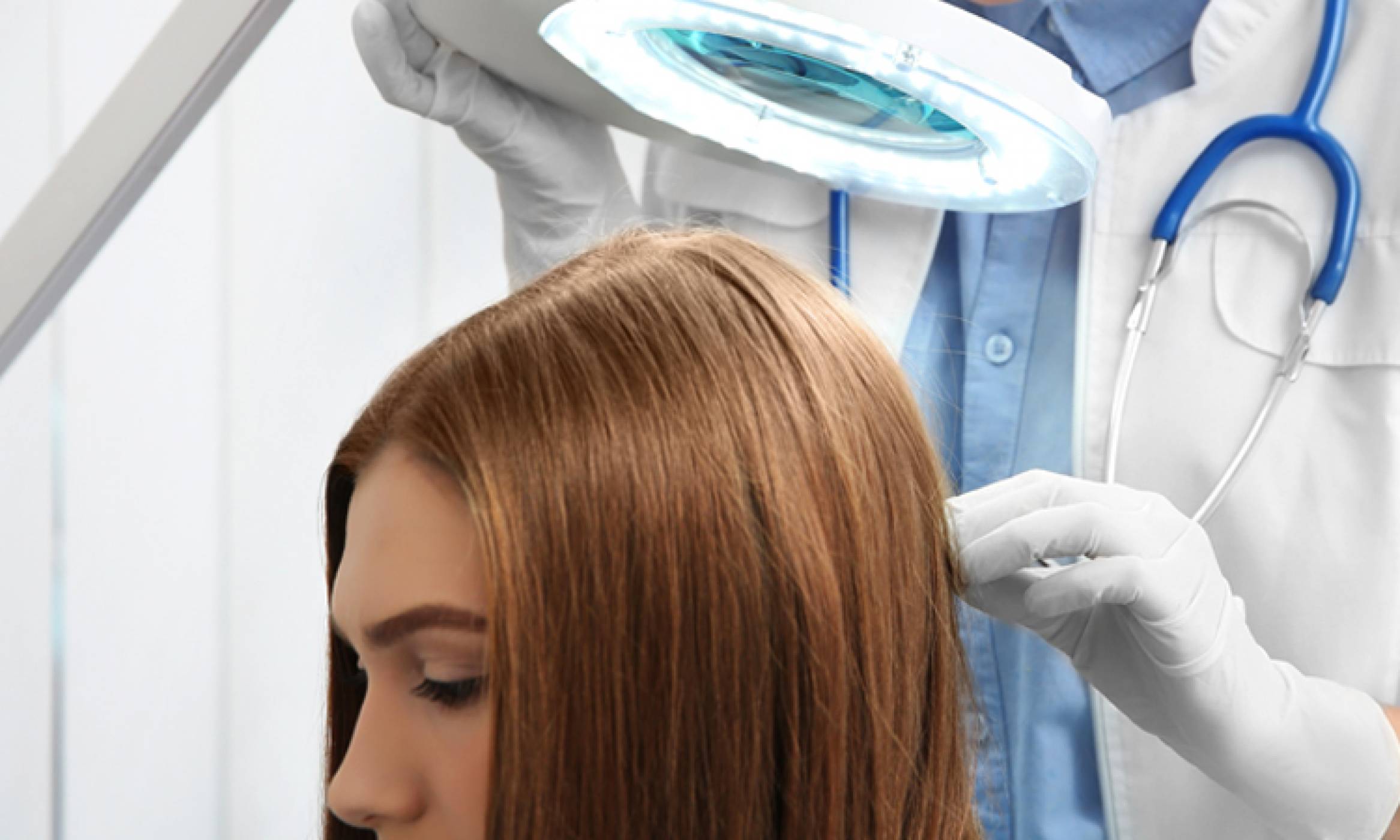
Understanding Women’s Hair Loss & Restoration Options

Understanding Women’s Hair Loss & Restoration Options
Women often experience hair loss differently than men. Instead of a receding hairline, many notice widening parts, diffuse thinning, increased shedding, or gradual density loss around the crown and temples.
Because causes can overlap — including genetics, hormones, stress, nutritional deficiencies, scalp inflammation, and styling practices — proper diagnosis matters before deciding on treatment or restoration options.
At Springs Hair Restoration, Dr. Zack Charkawi takes a physician-led, personalized approach focused on understanding the full picture first.
Hair loss affects millions of women in the U.S. and can carry a real emotional burden. Many women report stress, anxiety, and a loss of confidence when thinning starts to show, because hair is personal, expressive, and culturally tied to femininity.
At Springs Hair Restoration, we take that seriously. Our physicians bring a strong dermatology background to protect your hair and guide you with clear, compassionate care, no pressure, just a plan that fits you.
Women tend to have diffuse thinning, often a widening part or crown thinning, rather than the receding hairline/bald spots common in men. Triggers can include:
• Female-pattern hair loss (androgenetic alopecia) — the most common cause, often genetic and hormonally influenced
• Hormonal changes (pregnancy, postpartum, perimenopause/menopause)
• Styling stress (traction, heat/chemicals)
• Medical factors (thyroid/iron, medications)
• Stress-related shedding
Because causes overlap, we diagnose first, then personalize treatment, starting with non-surgical options and considering FUE (no linear scar) only if/when it truly benefits you.
Female-pattern hair loss, also called androgenetic alopecia, is the most common form of hair loss in women. Unlike male-pattern baldness, which often follows a defined recession pattern, female-pattern hair loss usually appears as diffuse thinning across the crown and top of the scalp while the frontal hairline remains relatively preserved.
It can begin as early as the 20s or 30s but is more commonly noticed in the 40s and 50s, often around hormonal shifts associated with perimenopause and menopause. A family history on either side is a known risk factor.
Because female-pattern hair loss is progressive, early evaluation matters. Understanding the pattern, stability, and stage of thinning helps determine which treatment approaches may be most appropriate and whether non-surgical care, restoration, or long-term maintenance should come first.
Women’s hair loss is often multifactorial. We identify your drivers, including pattern thinning, hormonal shifts (pregnancy/menopause), thyroid or iron imbalance, stress-related shedding, scalp inflammation, or scarring conditions, then build a personalized medical plan.
• Physician-guided supplements and oral therapies may help support the hair growth cycle from within.
• Customized topical and scalp-applied therapies can be tailored to your pattern of thinning and scalp condition.
• Advanced Injection-based options like Regenera Activa, use your body’s own tissue to help support follicle health.
• Treatments such as Keravive by HydraFacial help improve scalp health and create a healthier environment for hair growth.
Every recommendation is personalized based on your diagnosis, pattern of loss, scalp health, and long-term goals.
FUE hair transplant can refine the hairline, temples, or add density when loss is stable and the donor area is suitable.
If you’re a candidate, we focus on:
• No linear scar for flexible hairstyles
• Soft, feminine hairline design (micro-irregularity, temple framing)
• Age-appropriate density goals that blend with your native hair
• Long-term maintenance to protect results
If shedding is active or diffuse, we stabilize first and transplant later, if appropriate.
Artistry in hairline design: micro-irregularity, temple framing, feminine contours.
Maximized density within safe limits; staged sessions if needed.
Style freedom: no linear scar with FUE, so hair can be worn up or short.
We’re here for the whole journey, consultation, treatment, and maintenance. Expect clear expectations up front and scheduled check-ins to monitor progress and adjust your plan.
Dermatology-grounded diagnosis before any procedure
Women-specific planning (hormonal history, part line, temple framing)
No-linear-scar FUE option with meticulous, feminine artistry
Family-owned, physician-led care with no-pressure consults and consistent follow-ups
Book your consultation in Sandy Springs. Free hair transplant consult (transplant candidacy only)
Our locations in Sandy Springs or Johns Creek are easily accessible to patients in the Metro Atlanta and Greater Atlanta areas, including Atlanta, Alpharetta, Cumming, Roswell, Sandy Springs, Duluth, Dunwoody, Marietta, and Johns Creek.
Is female hair loss different from men’s?
Yes, women commonly have diffuse thinning (widening part/crown) and hormonally influenced changes. We tailor diagnosis and treatment accordingly.
Am I a candidate for a hair transplant?
Possibly, after stabilizing shedding and confirming a strong donor area. We use FUE to avoid a linear scar and prioritize natural, feminine hairline design.
What about postpartum or menopause-related hair loss?
These are common. We address triggers and begin with non-surgical care; surgery is considered only if/when loss is stable.
How long until I see improvement?
Medical plans are measured in months; transplanted hair grows in stages over 3–12 months with scheduled check-ins.
Are regenerative scalp therapies right for everyone?
Not always. We recommend them selectively after a diagnosis and often alongside a medical plan. We’ll review candidacy during your consultation.
How many sessions will I need?
Plans vary by diagnosis and goals. We’ll outline a schedule and checkpoints at your visit.
When will I notice changes?
Scalp and hair changes are gradual. We typically reassess over months and adjust your plan as needed.
Long Post Alert...but worth the read! - A few months ago, I decided to consider a hairline transplant in Atlanta. After doing some research, I became interested in the FUT process. I was still determining where to begin, so I initially went to what I had seen for years on TV, Bosley. The consultation was excellent, but I felt too many people between me and the surgeon performing the procedure. I wanted that direct interaction to ensure I got what I wanted in my design. I went to a second, Dr. P, but it wasn’t the right fit for me, then I was referred to Dr. Zack Charkawi. From the moment I sat down with him at his desk, I knew he was the one. CONTINUE READING REVIEW
As a healthcare provider, I am very particular who I choose for my own healthcare needs. I completed my 4th hair restoration procedure with Dr. Zach, and I am extremely pleased with the outcome. Dr. Zach's professionalism was evident at my initial consultation, where he spent time discussing the procedure, pertinent research, and most importantly the realist expectations; he did not "over sell" the procedure. He also is the only practitioner that I am aware of who uses a specific anesthesia technique that dramatically decreased the procedural discomfort. He was very thorough during the procedure, covering all of the necessary areas. I highly recommend him and his staff without reservations!
My husband had a fantastic experience with Dr.Zack! It took him a while to find the best doctor for hair transplant. He had many consultations before choosing his clinic. The polish and professionalism of Dr. Zack and his team is excellent! My husband was very happy with the results of the procedure. We could never have asked for a better experience! I will be highly recommending him to my friends!
Dr Charkawi was fantastic. He really made me feel at ease and went above and beyond to make sure that I was happy with my hair. Also it’s a beautiful, clean office with a sister location for follow ups or further needs which is very helpful. Overall very satisfied customer.
Long Post Alert...but worth the read! - A few months ago, I decided to consider a hairline transplant in Atlanta. After doing some research, I became interested in the FUT process. I was still determining where to begin, so I initially went to what I had seen for years on TV, Bosley. The consultation was excellent, but I felt too many people between me and the surgeon performing the procedure. I wanted that direct interaction to ensure I got what I wanted in my design. I went to a second, Dr. P, but it wasn’t the right fit for me, then I was referred to Dr. Zack Charkawi. From the moment I sat down with him at his desk, I knew he was the one. CONTINUE READING REVIEW
* By submitting this form, I authorize Springs Hair Restoration to contact me by phone or text utilizing automated dialing equipment, as well as by email with information about appointments, products, services, news or promotions. I also agree to Springs Hair Restoration’s Privacy Policy.



 Free Transplant Consult