



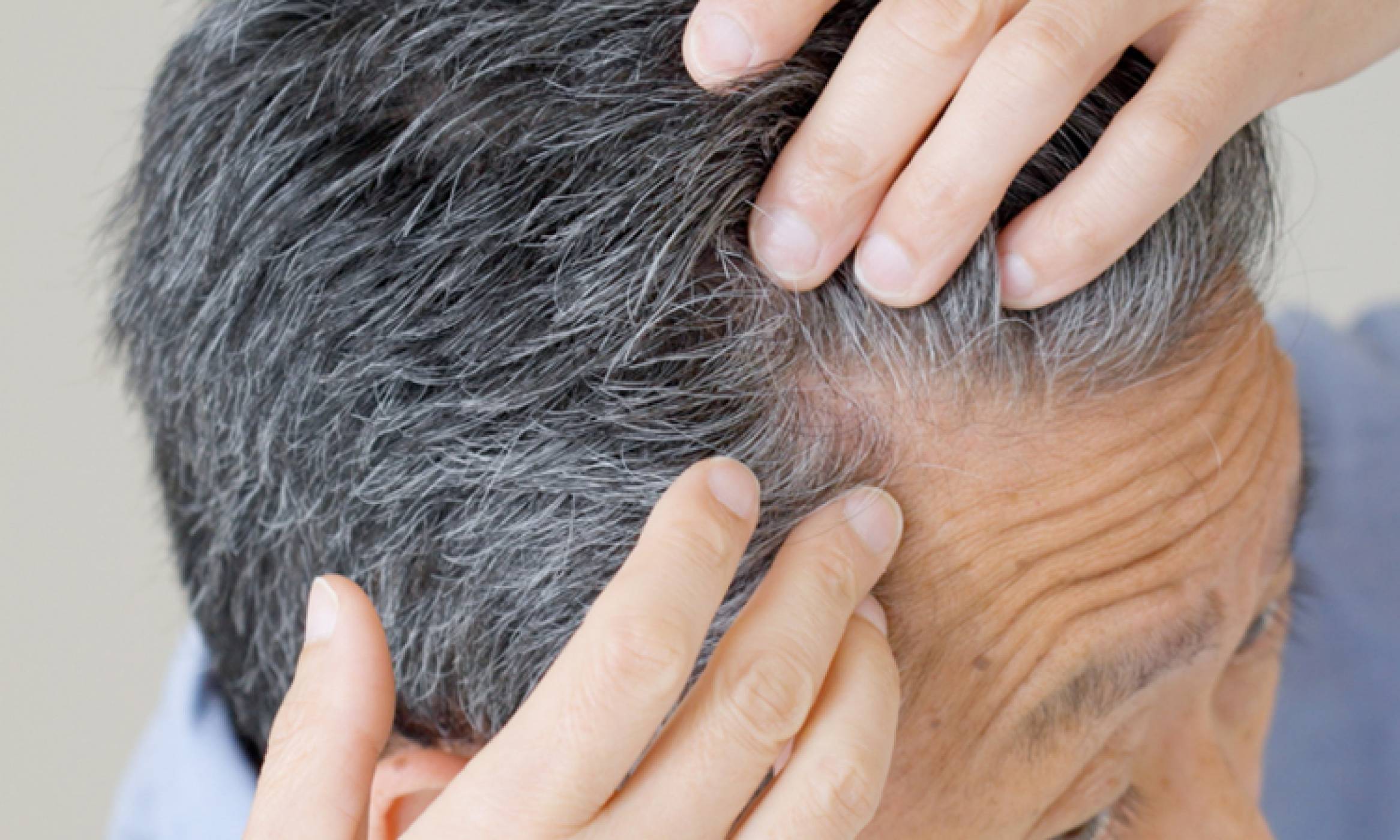
How Each Hair Growth Cycle Impacts Your Hair

How Each Hair Growth Cycle Impacts Your Hair
Every hair follicle moves through a continuous cycle of growth, transition, rest, and shedding. These phases regulate normal hair density and daily shedding, but disruptions in the cycle can sometimes contribute to noticeable thinning or long-term hair loss.
Understanding how the hair growth cycle works may help explain why hair changes happen — and when increased shedding may signal something more than a normal cycle.
Each hair follicle moves independently through three primary stages:
Anagen — the active growth phase
Catagen — the short transition phase
Telogen — the resting and shedding phase
Because follicles cycle at different times, most people naturally shed hair daily without noticeable thinning.
The anagen phase is the active growth stage of the hair cycle. During this period, cells within the follicle divide rapidly, allowing hair to continuously grow longer and thicker over time. Approximately 80–90% of scalp follicles are normally in the anagen phase at any given time.
Duration: 2–7 years
Characteristics: Active hair growth Strong follicle activity Determines maximum hair length
Catagen is a short transition phase where the hair follicle stops actively growing and detaches from its blood supply. This stage signals the end of active growth before the follicle enters a resting period. Only a small percentage of hairs are in this phase at one time.
Duration: 2–3 weeks
Characteristics: Growth stops Follicle shrinks Hair detaches from blood supply
Telogen is the resting stage of the hair cycle. During this phase, older hairs remain in place while new hairs begin forming beneath them. Eventually, the older hair sheds naturally as the cycle begins again.
Duration: 2–4 months
Characteristics: Resting follicle activity Natural shedding occurs New growth prepares to restart
Shedding approximately 50–100 hairs per day is considered a normal part of the hair growth cycle. Because individual follicles cycle independently, healthy shedding usually happens gradually rather than in obvious patches.
Temporary increases in shedding may occur after stress, illness, hormonal shifts, nutritional deficiencies, or significant life events.
Normal shedding and progressive hair loss are not always the same thing. When the anagen phase shortens or a large number of follicles shift into the telogen phase at once, noticeable thinning may begin to develop.
Common signs include:
• increased shedding in the shower or on pillows
• widening part lines
• thinning at the crown temple
• recession reduced overall density
Persistent changes may sometimes indicate underlying hair loss conditions rather than temporary shedding alone.
Several factors may interfere with the normal growth cycle, including genetics, hormonal changes, inflammation, stress, nutritional deficiencies, medications, and certain medical conditions.
One of the most common causes is androgenetic alopecia, also known as pattern hair loss, which gradually miniaturizes hair follicles over time.
Understanding the underlying cause is important because different conditions affect the cycle differently — and not every form of shedding represents permanent hair loss.
Changes in shedding, density, or hair texture can happen gradually and may not always follow the same pattern in every patient. Hair loss may present differently depending on genetics, age, hormones, scalp condition, and hair type.
Explore our additional educational sections to better understand how hair loss affects men, women, and different hair types — and how disruptions in the hair cycle may influence long-term hair health.
Long Post Alert...but worth the read! - A few months ago, I decided to consider a hairline transplant in Atlanta. After doing some research, I became interested in the FUT process. I was still determining where to begin, so I initially went to what I had seen for years on TV, Bosley. The consultation was excellent, but I felt too many people between me and the surgeon performing the procedure. I wanted that direct interaction to ensure I got what I wanted in my design. I went to a second, Dr. P, but it wasn’t the right fit for me, then I was referred to Dr. Zack Charkawi. From the moment I sat down with him at his desk, I knew he was the one. CONTINUE READING REVIEW
As a healthcare provider, I am very particular who I choose for my own healthcare needs. I completed my 4th hair restoration procedure with Dr. Zach, and I am extremely pleased with the outcome. Dr. Zach's professionalism was evident at my initial consultation, where he spent time discussing the procedure, pertinent research, and most importantly the realist expectations; he did not "over sell" the procedure. He also is the only practitioner that I am aware of who uses a specific anesthesia technique that dramatically decreased the procedural discomfort. He was very thorough during the procedure, covering all of the necessary areas. I highly recommend him and his staff without reservations!
My husband had a fantastic experience with Dr.Zack! It took him a while to find the best doctor for hair transplant. He had many consultations before choosing his clinic. The polish and professionalism of Dr. Zack and his team is excellent! My husband was very happy with the results of the procedure. We could never have asked for a better experience! I will be highly recommending him to my friends!
Dr Charkawi was fantastic. He really made me feel at ease and went above and beyond to make sure that I was happy with my hair. Also it’s a beautiful, clean office with a sister location for follow ups or further needs which is very helpful. Overall very satisfied customer.
Long Post Alert...but worth the read! - A few months ago, I decided to consider a hairline transplant in Atlanta. After doing some research, I became interested in the FUT process. I was still determining where to begin, so I initially went to what I had seen for years on TV, Bosley. The consultation was excellent, but I felt too many people between me and the surgeon performing the procedure. I wanted that direct interaction to ensure I got what I wanted in my design. I went to a second, Dr. P, but it wasn’t the right fit for me, then I was referred to Dr. Zack Charkawi. From the moment I sat down with him at his desk, I knew he was the one. CONTINUE READING REVIEW
* By submitting this form, I authorize Springs Hair Restoration to contact me by phone or text utilizing automated dialing equipment, as well as by email with information about appointments, products, services, news or promotions. I also agree to Springs Hair Restoration’s Privacy Policy.



 Free Transplant Consult