





 Free Transplant Consult



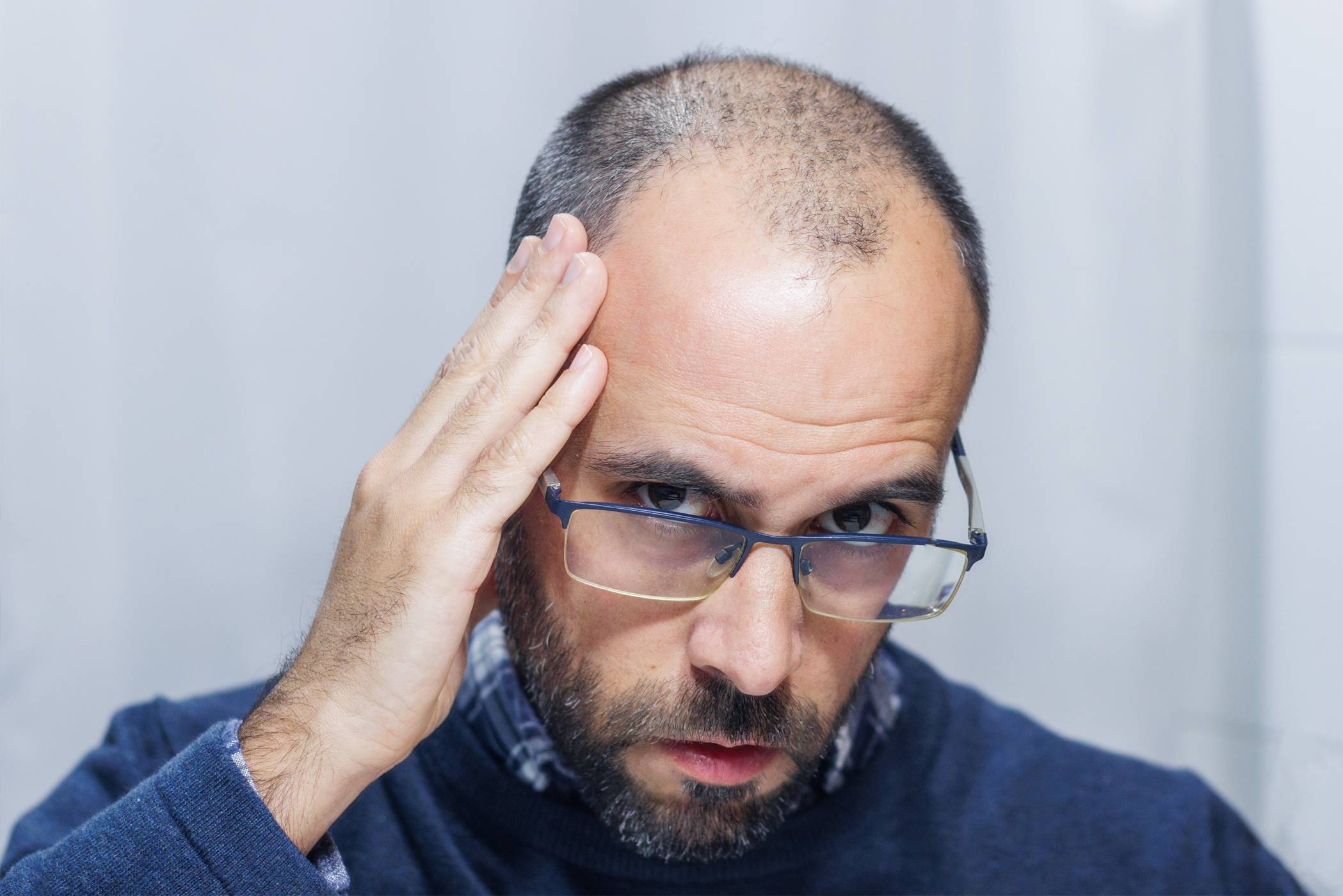



In the last two decades, the trend in aesthetic surgery has leaned toward minimally invasive procedures, and hair transplant surgery is no exception. For patients exploring an Atlanta hair transplant, understanding the differences between the two main techniques is key. At Springs Hair Restoration, we often explain that there are two primary methods for harvesting follicular units: Strip Follicular Unit Transplantation (FUT) and Follicular Unit Excision (FUE). Both approaches can achieve natural results, but they differ in process, recovery, and suitability for each patient.
Strip Follicular Unit Transplantation (FUT)
FUT involves the microsurgical dissection of follicular units from a strip of donor material. The strip is usually excised from the back of the head from an area where the hair is very dense. It has been a leading technique for many years, replacing older methods like punch and mini grafting (plugs). FUT yields excellent results in the recipient area but leaves a linear scar, which, while usually fine, can become a concern for those preferring very short hairstyles.
Follicular Unit Excision (FUE)
FUE, on the other hand, extracts follicular units directly from the donor area in the back of the head without creating a linear incision. Initially criticized for high transection rates and less aesthetic results, FUE has since improved significantly, now offering results comparable to FUT without the linear scar, catering to those who favor short hairstyles or wish for less invasive surgery.

The Debate Between FUT and FUE
The debate over which technique is superior has shifted from the quality of aesthetic results to considerations of donor area management, scar visibility, and patient recovery. FUE's growth in popularity is largely due to its minimal scarring and quicker recovery, despite some initial drawbacks like potential graft fragility.
Advantages and Disadvantages
FUT Advantages:
• Higher graft numbers in one session for patients with good scalp laxity.
• Grafts from a safer donor area with less risk of future hair loss.
• Grafts are less fragile due to more perifollicular tissue.
FUT Disadvantages:
• Linear scar can limit hairstyle choices.
• Longer and more painful recovery period.
• Requires a larger, specialized team.
FUE Advantages:
• No linear scar, allowing for very short hairstyles.
- Less invasive with faster recovery.
- Can harvest from broader areas, including beard and body hair.
FUE Disadvantages:
• Grafts can be more fragile with higher transection risk.
• Potential for less total lifetime grafts if only FUE is used.
• Requires good donor management to avoid visible scarring.
When to Choose Each Technique
FUT might be preferable for patients who already have a linear scar, those with longer hairstyles not concerned about scars, or those needing a high number of grafts due to extensive hair loss.
FUE might be preferable for those who absolutely want to avoid any visible scarring, have short hairstyles, or are younger and anticipate future hair loss patterns.
Choosing the Right Hair Transplant Technique for You
Both FUT and FUE have their merits, and the choice largely depends on the patient’s hair loss pattern, lifestyle, aesthetic preferences, and future expectations. The evolution of FUE has made it a strong contender, particularly for its non-invasive nature and scarless benefits. However, FUT remains invaluable for certain cases, especially where high graft counts are needed.
We have mastered both techniques ensuring they can tailor their approach to the unique needs of each patient, maximizing the potential for satisfying and natural-looking results. Our expertise allows us to combine advanced techniques with personalized care, ensuring every patient receives a solution that aligns with their specific hair restoration goals and long-term expectations. By carefully considering factors such as hair loss pattern, donor area quality, and future hair needs, we aim to deliver outcomes that not only meet but exceed patient expectations.
Ready to take the next step in your hair restoration journey?
Book a consultation today to discuss which technique is right for you and regain your confidence with personalized care.