





 Free Transplant Consult



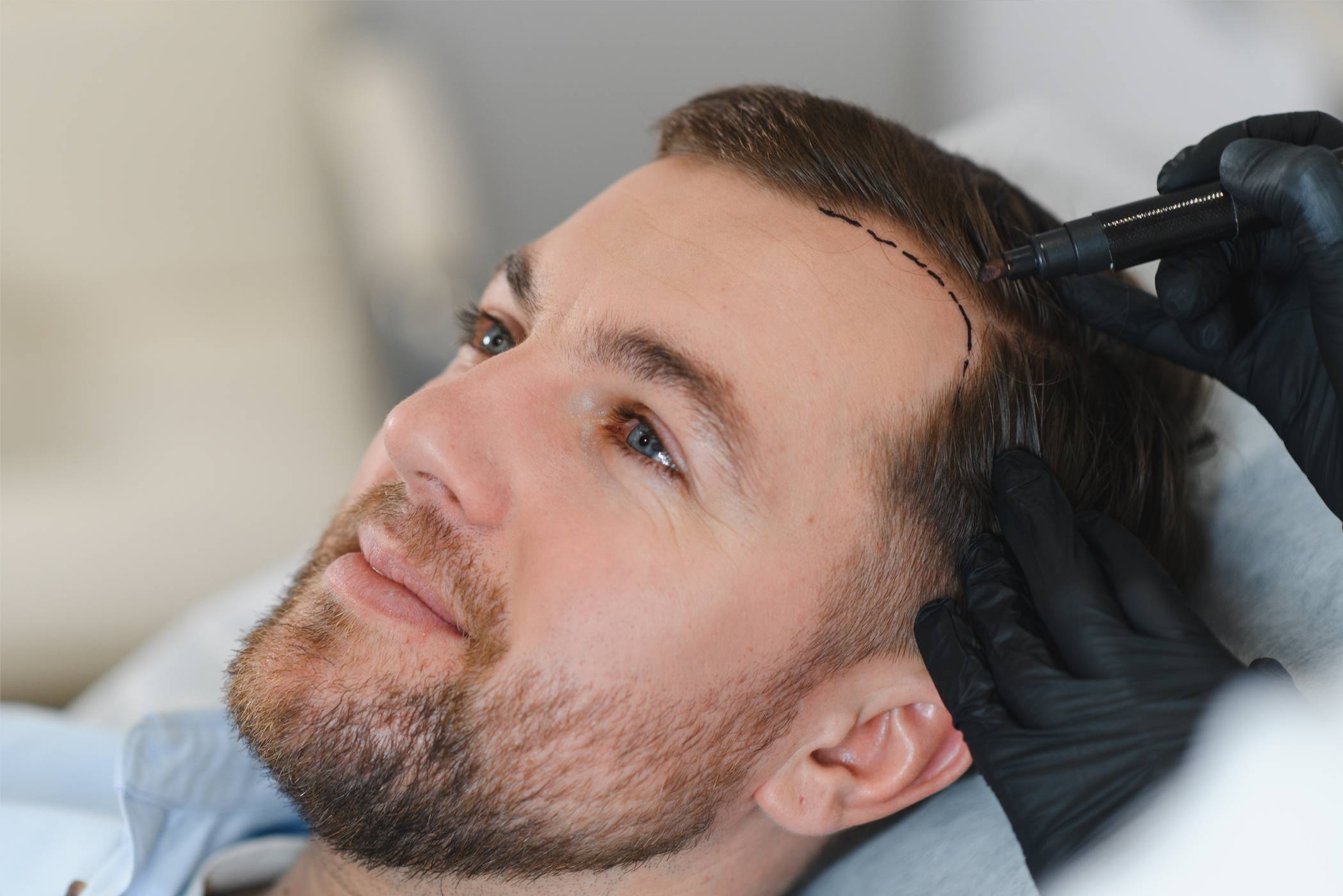
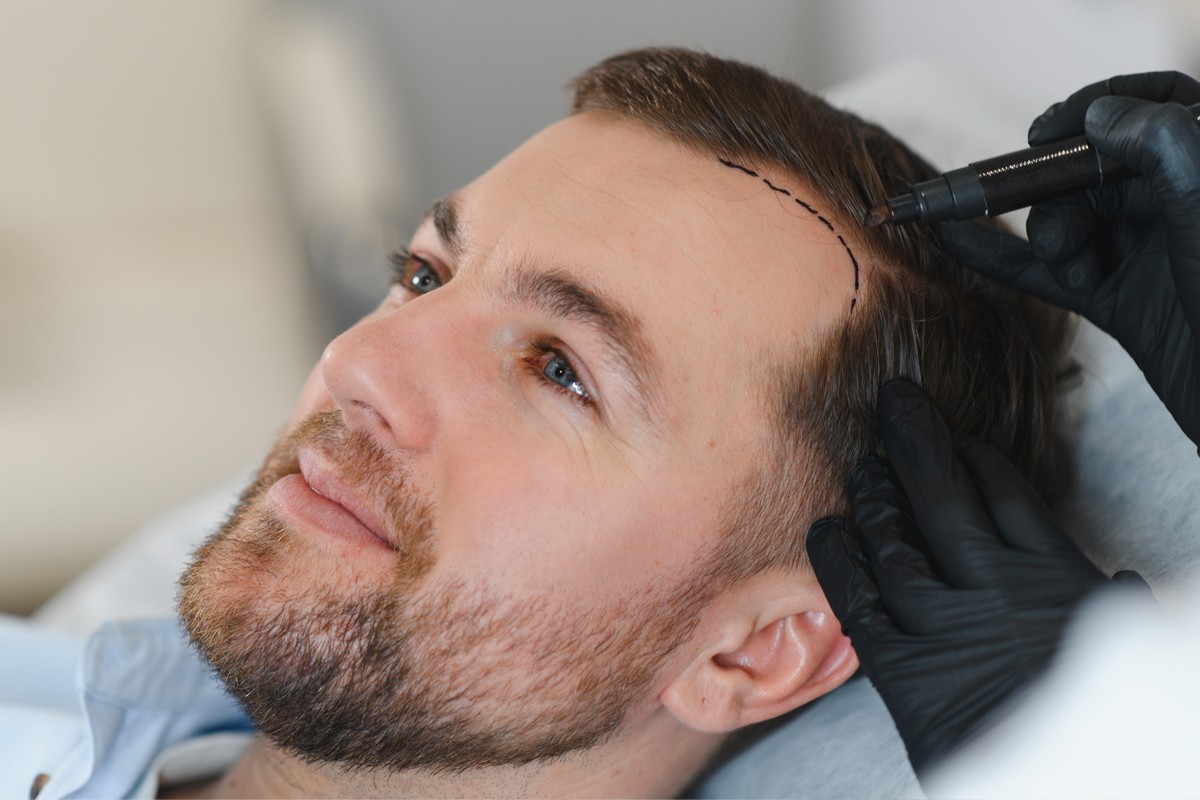


If you’ve been Googling hair transplants, it can feel overwhelming fast. There’s a lot of medical jargon, and even the basics can get confusing. You’ll see FUE everywhere… and then No-Shave FUE (also called unshaven or shave-less FUE). What’s the real difference, beyond the obvious “one is shaved and one isn’t”?
In plain English: both are the same core surgery (FUE-moving individual follicles). No-Shave FUE simply lets you keep most of your hair length so the work is more discreet during healing. It’s about camouflage and workflow, not a different biology or a shortcut.
Think of it this way:
• Same goal: natural growth where you’re thinning.
• Same method: follicles moved one by one with tiny tools.
• Main difference: how much hair is trimmed to do it (No-Shave trims only the follicles we need, so your usual hairstyle helps hide things).
Below are some of the most frequent questions my patients ask and the straightforward answers we give in clinic. I hope they make your decision easier and a lot less stressful.
1) What does “No-shave FUE” actually mean? Is it legit?
Yes. It’s still FUE-follicular units are removed one by one-but instead of shaving large areas, the surgeon trims only the specific follicles being harvested (or uses long-hair techniques). It’s real, but technically more demanding than standard FUE.
Explore our surgical hair transplant options.
2) How is it different from FUT or “strip” surgery?
FUT removes a strip of scalp and leaves a linear scar; FUE removes small units with tiny round scars that are usually hard to see. No-shave is a concealment approach to FUE, not a different operation type.
3) Is it truly “no shave” or will you still trim something?
Expect at least selective trimming of individual follicles in the donor (and often short trimming in the recipient zone for precise placement). A completely untrimmed case is uncommon and case-dependent.
4) Who’s a good candidate for No-shave FUE?
People who value discretion (client-facing work, public-facing roles) and have mild–moderate areas to fill often choose it. For very large sessions, fully-shaven FUE may be more efficient. Your surgeon will advise after seeing donor supply and goals.
5) Will results differ from regular (shaven) FUE?
Transplanted hair grows the same once placed well; the difference is in workflow, time, and concealment, not biology. Technique quality (angulation, density, donor management) drives the outcome. See before and after hair transplant results.
6) Is it more expensive? Often yes.
No-shave FUE takes more time and meticulous handling, so many clinics charge a premium per graft vs. standard FUE. (Redditors commonly discuss modest-to-significant premiums; surgeon sites confirm added time/cost.)
7) What about downtime and visibility?
That’s the appeal: surrounding hair camouflages the work. You’ll still see pinpoint scabs/redness for a few days, but most patients feel presentable sooner than with a full shave. Plan a few lower-key days, then normal activities as instructed.
8) Do Atlanta/Georgia clinics actually offer No-shave FUE?
Yes, several Atlanta-area practices market shave-less/no-shave FUE specifically. (Availability and protocols vary; always confirm surgeon involvement and daily graft limits.)
If you’re exploring hair transplant options in Atlanta, learn more about our approach
9) How do I vet a No-shave FUE clinic in Atlanta?
Ask for:
• Who extracts and places grafts (physician vs tech-run)
• Case examples specifically of no-shave work (close-range photos, day-by-day recovery)
• Daily graft limits and how they prevent over-harvest
• Written after-care and realistic timelines for camouflaged recovery
10) Are there limits on graft numbers with No-shave?
Many surgeons keep session sizes smaller so they can maintain precision and concealment; very large cases may be split or done with partial shave for efficiency/safety. ISHRS guidance stresses careful extraction planning to avoid visible thinning/over-harvest.
11) Does No-shave affect shock loss or scarring?
The risks are similar to standard FUE: tiny dot scars in donor (usually hard to see), temporary shedding possible around recipient sites, and general surgical risks; mitigated by experienced, physician-led teams and good after-care.
12) How quickly can I get back to work or the gym?
Office work: often within a few days (camouflage helps). Exercise/sauna: your surgeon will stage a return over days–weeks to protect grafts. Procedure lengths vary with graft counts (many FUE days run 4–6+ hours).
13) Can I combine No-shave with a beard or eyebrow transplant?
Yes, FUE principles apply to beard/brows; direction/angle are critical. Discuss scope; face work is unforgiving and may be split into stages.
14) Is No-shave better for curly/ethnic hair?
It can be an excellent match because longer surrounding hair helps hide early healing—but curl and caliber raise the bar for angulation accuracy. Choose a surgeon experienced with multicultural textures.
No-shave FUE is about discretion and planning. If you’re client-facing or simply prefer not to shave down, ask local surgeons about session size, concealment strategy, and who’s hands-on in your case. Bring photos of your typical hairstyle so they can design effectively.